- Continue Shopping
- Your Cart is Empty




Continental Kryptotal & Xynotal Tire Review - Can They Compete With The Best?
Words by: Liam Woods
Continental Kryptotal and Xynotal: The Long-Term Test
Continental's 2022 gravity tire range gave us a good reason to revisit the brand. This review covers Liam's original months-long test of the Kryptotal Fr, Kryptotal Re and Xynotal, including time back on Maxxis tires for comparison. The ride impressions below are from those tested tires; the buying guidance also covers casing and compound options added since then.
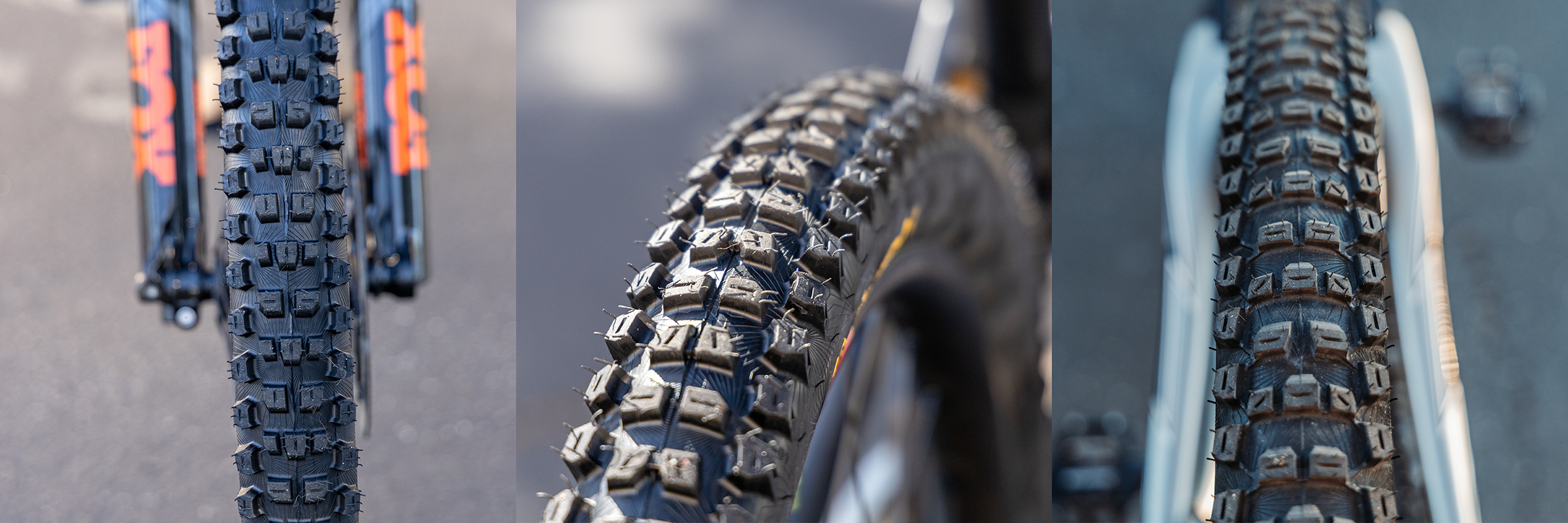
The names are a mouthful, but the basic choices are pretty straightforward. Kryptotal Fr is the front-specific mixed-terrain tread, Kryptotal Re is its rear-specific partner, and Xynotal is aimed at hardpack and rocky surfaces. Liam tested the Xynotal on the rear for a quicker-rolling setup, then swapped to the Kryptotal Re when he wanted more braking traction.
Start with the tread for your terrain, then choose casing and compound. Our Continental tire collection includes different versions, so a matching model name alone doesn't mean two listings are the same tire.
After seeing the Continental tires in person, I knew I wanted to get some time on them and time on them I got. Right now I’m going on about six to eight months of these tires, wearing some out, going back to a Maxxis control set and back again on fresh Continental tires. I have been able to get a great feel for these tires. I’ve also had the chance to ride them in all types of conditions like dry blown out dirt, perfect dirt from rain, too wet of dirt and sloppy conditions, back to hardpack and dry marbles. Finally the long term review is here, so grab your popcorn.
What Changed with the 2022 Gravity Tires?
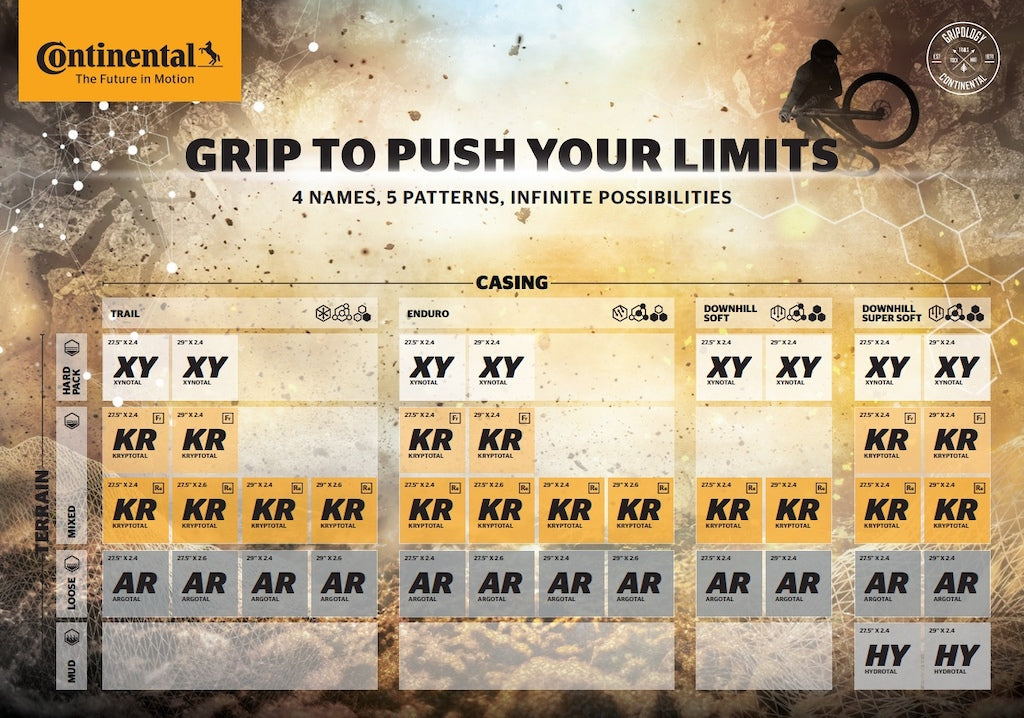
Pretty much everything is new, starting at the casing where Continental really worked hard to improve on previous tires like the Der Kaiser and Der Baron. I spent some time on both of those tires a few years ago. I remember those tires giving that hollow wooden feeling when the casing is too stiff and just not right. Continental then worked on the tread pattern, which is all new and there are multiple different versions for every condition imaginable. And lastly, the rubber compound has also been improved. While still using the Black Chili Compound that Continental is known for, the specific differences are notable. With a SuperSoft, Soft and Endurance compound the tread compounds also match the casing in which you would want the different rubber properties on.
Something else that is new and really drew my attention to these tires even more was the race results these were getting. While tires won't make you win a race, they can certainly help you lose a race. Right away these tires started to get on the podium. Riders who have been close to podiums are now having the best results of their life. The Pivot factory team and the Atherton Racing team both had this happen. Could it be a coincidence that the results came the same year as the new Continental tires? Yes, of course. But it should also be noted that they were able to take these tires to the top of the racing world in their first year of being ridden on the World Cup and Enduro World Series circuits.
Kryptotal Fr vs. Kryptotal Re vs. Xynotal
Kryptotal Fr: Front Grip for Mixed Terrain
- Front-specific tread for mixed terrain.
- A natural starting point for the front of a Kryptotal pair.
- Choose the exact wheel size, width, casing and compound for your bike and conditions.
Kryptotal Re: Rear Traction and Braking
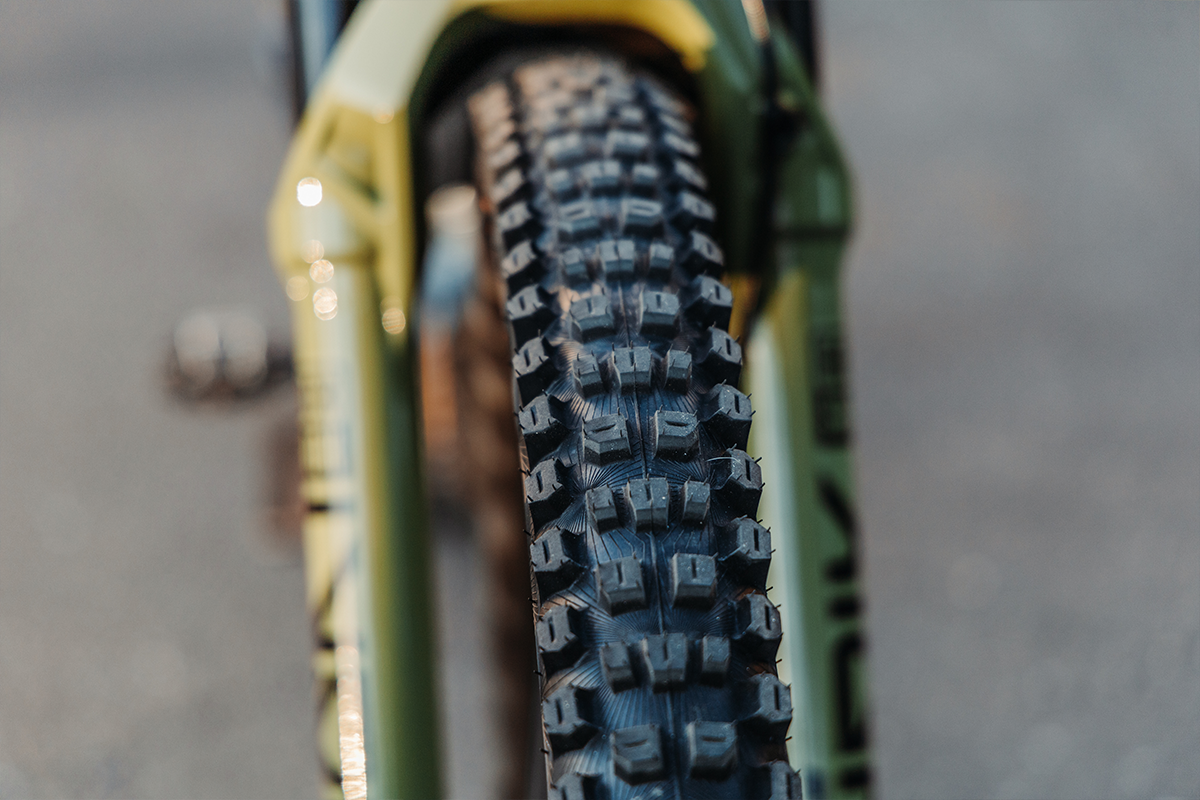
- Rear-specific tread focused on driving and braking traction in mixed terrain.
- In Liam's test, it gave more braking bite than the Xynotal but rolled a little slower on flatter hardpack.
- Don't confuse the Re with the Fr when selecting a product.

Xynotal: Hardpack and Rocky Trails
- Tread aimed at hardpack and rocky surfaces.
- Liam used it on the rear when rolling speed mattered on dry, firm trails.
- A different tread choice from the Kryptotal Re, not simply the same tire in another compound.

Trail, Enduro or Downhill Casing? Endurance, Soft or SuperSoft?
Casing and rubber compound solve different problems. Trail is the lighter casing option; Enduro adds support and protection for harder riding; Downhill is the heavier-duty choice. Endurance puts more emphasis on wear and rolling, Soft balances grip with rolling resistance, and SuperSoft puts descending grip first.
The range has expanded since this review was published. Continental now offers additional Trail Soft and Enduro SuperSoft combinations, so the old one-casing/one-compound shorthand no longer covers the whole lineup. Check the exact listing against Continental’s range update rather than assuming every tread comes in every size and construction.
Two examples of the newer choices are the 29 x 2.4 Kryptotal Fr Trail Soft and 29 x 2.4 Kryptotal Fr Enduro SuperSoft. For a firmer-ground rear option, compare the 29 x 2.4 Xynotal Enduro Soft. These are buying options, not claims that Liam tested each of those exact versions in the review below.
On-Trail Performance: The Original Test
Now for the good stuff. How did I feel the new Continental mountain bike tires worked? Well, pretty darn good, and right away I felt like I could get up to speed. I first started to test the tires mounted on my Forestal Siryon E bike. It's a 42lb ebike, so it’s lightweight when it comes to the emtb world. I tried the Kryptotal Fr up front and the Xynotal out back, both in the Downhill casing and SuperSoft rubber compound. I typically ride DH casing or at a minimum DoubleDown or similar casing on the Ebike, so this was no different. When I first started riding the tires the conditions were mid-summer, dry but hard packed and fast. That is why I wanted to try the faster rolling Xynotal rear tire. To my surprise, it had a ton of traction and more braking traction than I thought it would. With our trails, you are always trying to find the best balance between traction on the dry and dusty conditions but because it’s super rocky you need enough pressure to protect against back rock hits and cutting a tire or damaging a rim. I typically ride 23psi front and 26psi rear and I weigh 150lbs or so. I set up these tires to that same pressure and I felt like it was right in the zone I needed to be. There wasn't too much tire roll on the rear tire while the front managed to stay predictable and give me the confidence to ride fast without thinking about tire traction. Pretty much exactly what you want.
I rode this setup until the rear tire was smoked and then threw on my normal setup of Maxxis Assegai up front and Maxxis Minion DHR II out back, both DH casing. With two rides on the Maxxis tires at 23/26psi, I could tell that I was on Maxxis with the feel of the casing and rubber compound. However, I didn’t feel that I gained or lost any traction when doing so. In fact, I felt like I might have been rolling the rear tire a touch more on the Maxxis than the Continental, but that is hard to know for sure. It's easier to tell on a Maxxis tire after a ride if you got some roll since the smooth sidewalls give you those classic X marks. Conversely, the Continental MTB tires have some texture on the sidewall which doesn’t show the X marks as much.

I then went right back to a fresh set of Kryptotal Fr and Kryptotal Re on the ebike. My thought was that I get two rides on Maxxis to get used to that again and then get on the Continental Kryptotal to see if I could feel the difference. Once again, I could tell I swapped tires but that didn't lead to any loss of traction, predictability or confidence. I could tell that the Kryptotal Re did roll a bit slower than the Xynotal and especially in those flatter hard packed sections of trail. But at this time it was late fall and we got some early rain. A great time to head to the steeps and try out the Kryptotal Re to see how much braking traction it really had. We had plenty of wet days for testing, something SoCal doesn't typically get. The Kryptotal Re really does provide a ton of braking traction, possibly more than the DHR II as I feel the knobs are able to bite in harder. It also clears mud pretty well in the rear, allowing you to get braking traction when you need it. However, the Kryptotal Fr doesn't seem to clear mud that well. It packs up a bit worse than a Maxxis Assegai. Neither of these tires are made for those conditions but if you are like me and don’t have those conditions often I am not going to throw on a Shorty or a Continental Argotal for two days then take them off.
As a whole, I came off super impressed with the Continental MTB tires that I was testing, so much so that I have more friends riding them as well. Everyone seems to have the same reaction: they are really, really good and don't really have any compromises over Maxxis, which is the gold standard in our region. I would maybe say the Maxxis rubber is a little bit more sticky and might grip a bit better on some slippery surfaces, but I never felt the Continental tires lacked in this department. Maxxis is just really good with their rubber.
What Worked and What Didn’t
Pros
- Predictable grip and drifts
- Great durability and long life
- Weight and cost fall in line with other tires
Cons
- Not the all out softest rubber
- Model names are out of control
What's Worldwide's Takeaway?
Coming out of nowhere, Continental mountain bike tires really came into 2022 swinging for the fences with five new tire models and sponsoring some new teams that got immediate results. After wearing out multiple sets of the Kryptotal Fr, Kryptotal Re and Xynotal tires, going back to Maxxis test tires, and back again to Continental tires, we can say they are the real deal. With many World Cup DH podiums as well as Enduro World Series podiums, they can be ridden at the top of the sport by the best athletes as well as by the rest of us mere mortals. Feeling confident right away, the grip, speed, casing protection, wide range of models for different conditions and durability of the new Continental MTB tires really make them a top choice for us.

Which Continental Tire Setup Should You Start With?
For mixed trail conditions and more rear braking bite, compare Kryptotal Fr up front with Kryptotal Re out back. For mostly firm, dry trails where you want a quicker rear tire, Liam's Kryptotal Fr/Xynotal setup is worth a look. His results came from the casing, compound, pressure and conditions described above, so don't expect a light Trail version to feel identical to a Downhill tire.
Match wheel diameter and tire clearance first, then pick the support and rubber you need. Liam's 23/26psi setup is a description of his test, not a pressure recommendation for every rider. Rider weight, rim width, tire construction and terrain all change the starting point. Browse Continental tires or give us a shout if you're deciding between two specific versions.
This article was written / authored by Liam Woods. Liam has been in the bicycle industry for over 10 years as a racer, professional mechanic, service manager and as of late, media and content creator. Liam has ridden thousands of different bikes, ridden countless components, tested endless MTB apparel of all kinds and written reviews on it all. He's a key piece to the Worldwide Cyclery "All Things MTB" content creation puzzle. He also makes consistent appearances on the Worldwide Cyclery YouTube channel and Instagram.
© 2026 Worldwide Cyclery


